Finding the Right Portland Electrical Panel Upgrades for Safer Electrical Systems
Finding the Right Portland Electrical Panel Upgrades for Safer Electrical Systems
Blog Article
Enhance Your Home With Our Electrical Panel Upgrade for EV Chargers
Improving a residential electrical panel is getting increasingly essential, especially for electric vehicle owners. This improvement not only supports the growing power requirements of EV chargers but also enhances overall safety and efficiency. Homeowners may consider the specific benefits of such an upgrade and how to determine when it's necessary. Understanding the nuances of this process can significantly impact future energy needs and property value. What points should be reviewed before proceeding?
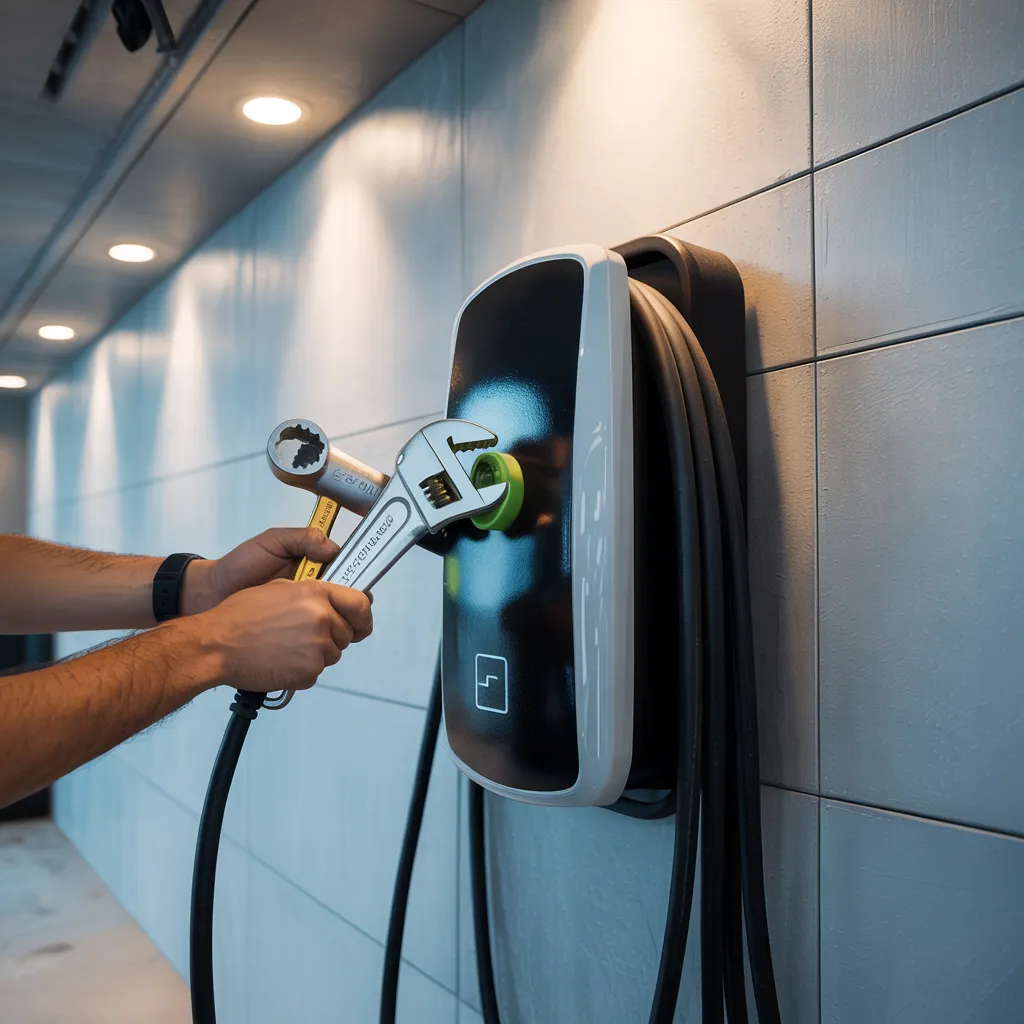
How Can Replacing Your Electrical System Assist Your EV Charge Points?
An electrical panel upgrade becomes essential when considering the deployment of electric vehicle (EV) chargers, as obsolete equipment may not sustain the elevated power demands. Many older panels do not have the capacity to process the further load essential for EV charging, which can lead to potential peril and inefficiencies. Moreover, existing wiring may be insufficient, risking overheating or electrical failure.
Homeowners should likewise reflect on the rising trend of EV uptake; a state-of-the-art electrical panel confirms alignment with emerging technologies. Moreover, municipal regulations and codes often call for refreshed installations to adhere to safety standards. An improved electrical distribution can facilitate the deployment procedure, decreasing setbacks and outlays. At the end of the day, committing resources to a fresh electrical panel helps satisfy the pressing need for electric vehicle power and also boosts the broader power infrastructure, opening doors for subsequent enhancements and eco-friendly power solutions.
Top Benefits of Upgrading Your Electrical Panel for EV Charging
An upgraded electrical panel presents several advantages when it comes to supporting EV charging installations. First, it strengthens the home's power output, making possible faster charging times and accommodating numerous electric vehicle chargers. This is especially important for homes with multiple electric vehicles.
Moreover, a contemporary electrical panel enhances safety by guaranteeing circuits can handle higher electrical demands without the danger of overheating or fire hazards. It also delivers enhanced energy efficiency, which may generate lower electricity bills over time.
In addition, upgrading the electrical panel can improve the overall worth of the home, making it more enticing to potential buyers interested in sustainable living options.
To summarize, a new panel commonly offers modern capabilities like integrated smart technology, making it possible for homeowners to monitor energy usage and optimize charging schedules. Overall, these advantages make switching a beneficial investment for those evaluating EV ownership.
Symptoms Your Home Needs an Electrical Panel Enhancement?
Homeowners may detect signs that an electrical panel upgrade is needed, notably recurring breaker trips and restricted electrical supply. These concerns can affect the functionality of new appliances and electric vehicle chargers. Catching these warning signs early can help prevent more substantial power malfunctions down the road.
A lack of sufficient power supply presents itself in different ways, often pointing to the need for an electrical panel upgrade. Homeowners might see lights dimming when appliances are in use or face slow device charging, signifying that their existing system cannot meet the demand. Also, having several outlets fail simultaneously may further suggest an overloaded panel. Energy-intensive appliances, including electric vehicles or HVAC systems, can operate less effectively, causing higher energy bills. When these problems continue, it is crucial to assess the electrical panel's capacity. A panel upgrade not only fixes these issues but also prepares the home for upcoming electrical requirements, ensuring safety and energy efficiency. Being aware of these symptoms is vital for keeping a functional and secure living space.
Picking the Optimal EV Charger After Your Power Distribution Panel Improvement
Following updating the electrical panel, selecting the correct EV charger becomes critical. Learning about the various charger types and their power needs will ensure optimal performance and consistency with your home's electrical system. This selection impacts charging rate and efficiency, requiring to evaluate your options carefully.
Understanding Different Charger Options
Determining the ideal EV charger is necessary for boosting the rewards of an upgraded electrical panel. There are three main types of EV chargers: Level 1, Level 2, and DC fast chargers. Level 1 chargers use standard household outlets and are suitable for overnight charging but offer slow charging speeds. Level 2 chargers, needing a dedicated circuit, provide faster charging and are excellent for home use. DC fast chargers are the quickest option, supplying significant power in a short time, but are typically found in public charging stations rather than residential settings. Understanding these types enables homeowners to pick a charger that aligns with their driving habits and charging needs, guaranteeing efficient and effective use of their upgraded electrical systems.
Electrical Demands to Consider
Examining electrical demands is vital for homeowners replacing their electrical panels to support EV chargers. Each electric vehicle (EV) charger has particular electrical needs, typically measured in kilowatts (kW). Homeowners must assess the amperage and voltage of their new charger to confirm compatibility with the upgraded panel. Level 1 chargers generally demand minimal electricity, while Level 2 chargers require substantially greater power, often requiring a dedicated circuit. Additionally, it is necessary to assess the overall load capacity of the electrical panel to avoid overloading. Speaking to a qualified electrician can offer guidance into the appropriate charger type based on individual usage patterns and home power consumption, securing a seamless and smooth charging experience.
Understanding the Power Panel Enhancement Process
Upgrading an power distribution panel is an important step for property owners seeking to install EV chargers. The process begins with an assessment by a licensed electrician, who evaluates the existing panel's capacity and condition. If the current panel cannot handle the extra demand, a new panel or an upgrade may be necessary.
Once the electrician assesses the needs, they will acquire the required permits and arrange the installation. The process includes disconnecting electricity, removing the existing electrical panel, and putting in the new one, which may include additional wiring for the EV charger.
Safety remains top priority during this process, requiring adherence to local codes and regulations. After installation, the electrician will conduct exhaustive testing to assess functionality and safety before restoring power. This upgrade not only facilitates EV charger installation but also maximizes the home's overall electrical capacity, preparing it for future energy needs.
What to Expect After Your Electrical Panel Upgrade?
Following the electrical panel upgrade, homeowners can look for a assortment of benefits that strengthen both functionality and wellbeing. One direct advance is the increased capacity to sustain multiple demanding appliances, including electric vehicle (EV) chargers. This upgrade often leads in faster charging times and the ability to power additional devices without overwhelming the system.
Moreover, the new panel typically includes advanced circuit breakers that provide better protection against power surges, reducing the likelihood of equipment damage or fires. Homeowners may also observe enhanced power efficiency, as contemporary electrical panels can better manage electrical loads.
Additionally, the improvement may boost the total worth of the home, making it increasingly appealing to prospective purchasers. Finally, homeowners can anticipate a better comprehension of their power distribution, thanks to improved identification and organization of circuits, leading to easier maintenance and problem-solving in the future.
Commonly Posed Topics and Answers
How Much Does an Electrical Panel Upgrade Typically Cost?
An power panel upgrade normally ranges between $1,000 and $3,000, influenced by factors such as location, panel size, and installation complexity. Homeowners should obtain various estimates for an accurate estimate tailored to their needs.
Would Improving My Panel Impact My Home Policy?
Upgrading an power panel can potentially relevant information affect home insurance. Insurers often view modernized systems as reduced risk, possibly resulting in reduced premiums. Homeowners should contact their insurance provider to understand specific impacts and adjustments.
Am I able to set up an EV Charger Myself After the upgrade?
Installing an EV charger by yourself after an enhancement is doable, but it requires knowledge of electrical components and conformance to local codes. Consulting a professional is wise to assure safety and compliance with regulations.
How extended Time is Required for an Electrical Panel Upgrade?
Upgrading your power distribution panel typically requires four to eight hours, depending upon how complicated the installation is and the state of your current electrical infrastructure. Homeowners should reach out to trained experts for accurate timelines based on individual needs.
Do Any Discounts Exist for Upgrading My Circuit Panel?
Yes, multiple rebates may be offered for upgrading electrical panels, contingent upon local utility programs or government programs. Homeowners should research available options and eligibility criteria to enhance potential financial benefits during the upgrade process.
Report this page